Popular for a Reason: The Case Against Chasing Britain's 'Secret' Spots
I have a confession: I used to be a sucker for the phrase ‘hidden gem’. If a place was described as secret, undiscovered or ‘not on the tourist trail’, I was halfway to booking a train ticket before I had checked whether there was anywhere to eat. The more obscure, the better. Then I had a run of weekends that cured me.
The hangover arrives
The first was a beach on the Norfolk coast that a blog had called ‘the last quiet spot’. It was quiet, admittedly. It was also a forty-minute walk from the nearest bus stop, had no toilets, no cafe and a single bin overflowing with dog waste bags. The sea was lovely. The day was not. I ate a squashed cereal bar on a damp bench and got the bus back into town feeling conned by my own imagination.
The second was a Cotswolds village billed as a place tourists had not ruined yet. I arrived at 11am. By 11.45 I had seen the whole village, learned that the only pub closed at 2.30 and discovered that every shop sold the same lavender bags. It was pretty. It was also a place with very little to do unless your plan was to photograph a door and leave.
By the third weekend, I started to notice a pattern. The places sold as hidden gems were often places with poor bus links, no year-round cafe and a local economy that had never really been asked to host visitors. The places that were busy, by contrast, tended to have a station, a market, a few places open in November and residents who actually used the high street.
Popular does not mean ruined
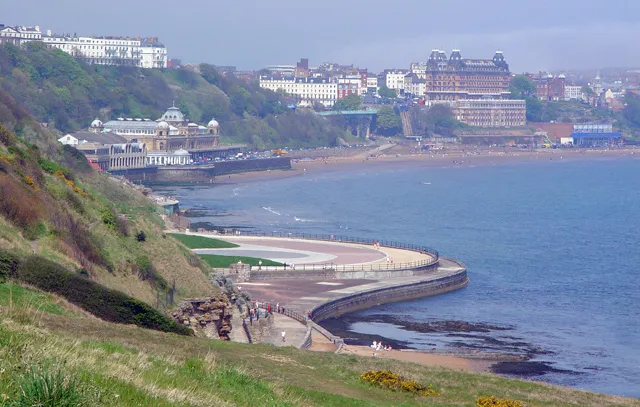
This is the bit that took me ages to admit: some places are popular because they are good. Scarborough is busy in summer and still has a promenade, a castle, a proper bus network and cafes that open when the weather is grim. Whitby has crowds, but it also has a railway station, a harbour that locals use and plenty of places to shelter from the rain. Keswick is hardly a secret, yet it has a bus station, a market and a useful base for anyone without a car. These are not compromises. They are functioning towns.
The obsession with obscurity also ignores a simple truth: a place with no facilities is not automatically more authentic. Sometimes it is just badly served. Sometimes the ‘secret’ beach is a secret because the access is dreadful. Sometimes the ‘undiscovered’ village is undiscovered because there is not much there beyond a nice view and a closed tea room. That is not a hidden gem. That is a logistics problem with a postcode.
A better test than Instagram obscurity
I now use three tests before I book a UK weekend.
First, off-season character. What is this place like in February or November? Does it have a reason to exist beyond a sunny-day photograph? A market, a museum, a theatre, a proper pub or a working harbour will carry a town through the wet months. A single viewpoint will not.
Second, public transport. Can I get there without a car, and can I move around once I arrive? I do not need a metro every ten minutes, but I do want a bus that runs after lunch and a station that is not a mile from the middle of nowhere. A place that cannot be reached without driving is not automatically more special. It is just harder to visit.
Third, what do locals actually use? I look for a library, a leisure centre, a market, a bus shelter with a timetable, a cafe with regulars. Those are signs of a place that lives outside the visitor season. If everywhere in the village shuts when the day-trippers leave, I am probably the day-tripper.
What I do now
I still like quiet places. I just no longer confuse quiet with good. My favourite approach is to use a popular town as a base and find the quieter edges from there. Stay in Scarborough and take the bus to a smaller bay. Base yourself in Newcastle and use the Metro to reach the coast. Pick a town with a station, a market and a few places open on a Tuesday, then walk out from the middle. You get the calm bits without the feeling that you have accidentally gatecrashed a place with no plan for you.
This is not an argument against exploring. It is an argument against treating obscurity as a personality trait. A place can be busy and still worth your time. A place can be quiet and still be a bad day out. The test should be whether it works as a place, not whether it has been kept off the internet.
The relief of admitting it
I feel better now that I have stopped chasing places nobody else knows about. It turns out I do not want to be the first person to find somewhere. I want somewhere with a decent lunch, a bus home and a bit of life in the town. That is not a sell-out. It is just good trip planning.
The hidden gem hangover is real. The cure is not another secret beach. It is a railway station, a market and a pub that opens in the afternoon.