No Car, No Problem? A Shropshire Hills Long Weekend by Train and Bus
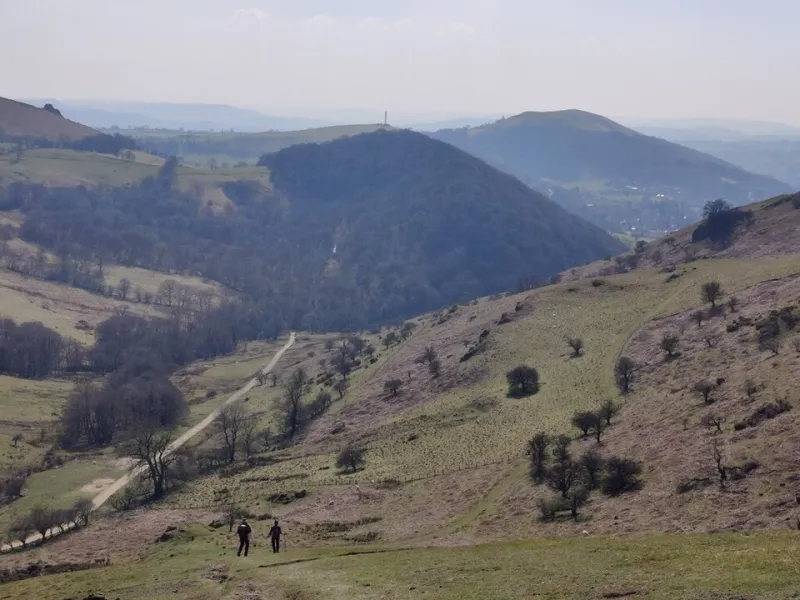
Photo: Mat Fascione , CC BY-SA 2.0, via Wikimedia Commons
The Peak District gets the crowds, the Instagram posts and the bank holiday traffic. The Shropshire Hills get the same kind of green, rolling scenery with a fraction of the fuss, plus a railway station in the middle of a very useful little town. That was the pitch, anyway. I wanted a rural long weekend without a car, and Church Stretton looked like the sort of place where that might actually work.
This was autumn 2026, and I was travelling from the Midlands with a small cabin bag, a waterproof jacket and a printout of bus timetables that made me feel about eighty years old. The plan was simple: train to Church Stretton, three nights in a pub, and as much walking as the weather and the buses would allow. No car, no taxi unless things went wrong, and no pretending that rural public transport is something it is not.
Why Church Stretton works as a car-free base
Church Stretton sits on the Shrewsbury to Hereford line, which means you can arrive by train and walk into town in about five minutes. The town has pubs, cafes, a small supermarket, an outdoor shop and enough accommodation to make a weekend feel comfortable rather than heroic. More importantly, it sits right under the Long Mynd, with footpaths leaving town in several directions. You do not need a car to reach the hills; you need decent shoes and a forecast you actually believe.
The Shropshire Hills National Landscape is not one compact honeypot. It is a spread-out patchwork of valleys, ridges and small towns, and that is where the car-free reality bites. Some of the best-known spots are easy from Church Stretton. Others need a bus, a taxi or a much longer walk. If your ambition is to bag every hill in the area over a weekend, a car will be easier. If your ambition is to walk from the door, eat well and see a quieter corner of England, the train-and-bus version is genuinely lovely.
Friday: the easy bit
I arrived on a Friday afternoon, checked into a pub room and did the most important car-free research of the trip: finding out where the bus stops were, what time the last service ran, and whether the pub did food on a Friday. The room was small but warm, the sort of place where the radiator clicks and the floorboards slope. I dumped my bag, walked up through Rectory Wood for an hour before dark, and came back for a pint and a pie.
Rectory Wood is a good arrival walk because it is close, short and rewarding without demanding a full day. It also reminded me that the Shropshire Hills are not just big views; they are lanes, woods, streams and field edges. The evening was exactly what I wanted from a rural weekend: no driving, no parking drama, and a very short walk from dinner to bed.
Saturday: Carding Mill Valley and the Long Mynd
Saturday was the main walking day. I left the pub after breakfast and walked up to Carding Mill Valley, which is about twenty minutes from the town centre and feels like a proper day out without a car in sight. The National Trust cafe was busy, as expected, but the valley itself absorbed the people quickly. I followed a loop up onto the Long Mynd, where the wind did its best to rearrange my face, and came back down through the valley for a late lunch.
The walking was not technically hard, but it was exposed in places and the weather changed fast. I had a paper map, a charged phone and a waterproof jacket, and I was glad of all three. The path surfaces were muddy in the dips and slippery on the steeper sections, which is normal for autumn. The reward was that big, open, slightly bleak Shropshire view that makes you feel very small and very pleased to be outside.
If you want a shorter version, you can stay in the valley and do a lower loop. If you want a longer one, you can extend onto the ridge. The joy of a car-free base is that you do not have to rush back to a car park before it closes. The less joyful part is that you are relying on your own legs to get back to town, so it is worth being honest about your energy levels before you add on an extra hill.
Sunday: buses, Ludlow and a timetable reality check
Sunday was the day I tested the bus network. I had planned to take the local bus towards Ludlow, potter around the market town and come back in the afternoon. The timetable looked reasonable on paper. On the ground, it was a reminder that rural Sunday services are not designed for spontaneous tourists.
I caught the bus, which was a small victory, and spent a few hours in Ludlow walking the old streets and looking at the castle from outside. It was busy but not unbearable, and the train back to Church Stretton was an option if the bus failed. That is the key car-free safety net in this area: the railway line gives you a Plan B between Shrewsbury, Church Stretton, Craven Arms and Ludlow. It does not cover every village, but it covers enough to make a weekend feel less fragile.
The honest diary moment came when I missed the bus I had intended to catch and had to wait nearly an hour. It was fine. I found a cafe, drank tea and watched the town. But it did underline the main rule of car-free rural travel: check the timetable the night before, check it again in the morning, and build in slack. Do not plan a tight connection between a hill walk and the last bus of the day.
Monday: a short walk before the train
On Monday I kept things close to town. I walked part of the Ragleth Hill path and then looped back through the lanes for a coffee before my train. It was a gentle end to the weekend, and it reminded me that the best car-free days are often the ones where you do not try to cover too much ground. The station is close enough that you can walk straight from a morning trail to the platform without a mad dash.
What to book and what to check
Book your accommodation early if you want a pub room in Church Stretton, especially in autumn and around school holidays. Check the train times before you commit to a Friday arrival, and look at the bus timetable for the specific day you are travelling, not just the route number. Sunday services are the weak link. If you are relying on a bus to get to a trailhead, have a walking fallback or a taxi number saved. And take a paper map or an offline map, because signal in the valleys is not guaranteed.
The verdict: is car-free access worth the effort?
Yes, if you treat Church Stretton as a walking base rather than a springboard for the whole Shropshire Hills. The train gets you there, the town gives you food and beds, and the hills start within walking distance. The buses add range, but they are not frequent enough to build a whole weekend around without checking and rechecking. If you want to chase remote viewpoints, visit several villages in one day or travel with a carload of walking gear, driving will be simpler.
For a long weekend without a car, though, this worked. I walked, I waited, I drank tea, and I came home without once looking for a parking space. The Shropshire Hills are quieter than the Peak District for a reason, and arriving by train made the whole weekend feel slower in the best possible way.