The Quiet Carriage at Eleven: Marking Armistice Day on a Car-Free Journey
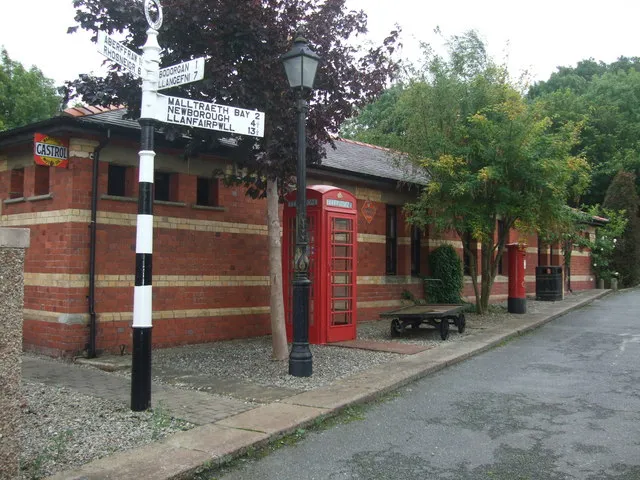
Photo: Richard Hoare, CC BY-SA 2.0, via Wikimedia Commons
At 10:47 this morning I was walking briskly out of Beverley railway station with a paper cup of tea I did not need and eight minutes to spare. The plan was not complicated: train from Hull, short walk to the memorial, two minutes of standing still, then back on a train before the day properly got going. It was the most purposeful I have felt on a platform in months.
Armistice Day is an awkward fit with modern travel. Timetables do not pause. Connections do not wait. A train that leaves at 11:02 is a train that leaves at 11:02, silence or no silence. But that is exactly why it is worth planning around. If you are going to mark the day while you are mid-journey, the least you can do is make sure you are not shuffling for a platform trolley when the clock turns.
Why 11am is a travel problem
Most travel days are built around movement: get to the station, get on the train, get off, get to the next place. The two-minute silence asks for the opposite. It asks you to stop, take your headphones out and do nothing useful for 120 seconds. That can feel oddly radical when you are carrying a rucksack and watching the departure board.
The other problem is that station silences are not uniform. Big, staffed stations usually make an announcement just before 11am — something along the lines of a reminder that a two-minute silence will be observed — and then a short announcement afterwards to release everyone back into the day. Smaller unstaffed halts often have nothing at all. On trains, it depends on the operator and the guard. Some train managers will announce it; others will not. You cannot rely on the railway to remind you.
So I set a phone alarm for 10:55. Not because I am organised, but because I am forgetful. It gives me five minutes to work out where I am, whether I am about to walk through a ticket barrier, and whether there is somewhere sensible to stand.
The trip I actually took
Beverley was the right sort of place for this. The station sits a short walk from the town centre, and the memorial is easy to reach without a car or a bus. I had done the walk before, so I knew it was roughly eight minutes at a normal pace. That mattered. It meant I could arrive at 10:55, not 10:59, and not spend the silence trying to work out whether I was in the right place.
I stood at the back of a small crowd. There were schoolchildren in uniform, a couple of dog walkers, a man in a work van who had pulled up and switched off the engine. Nobody made a speech. The clock on my phone clicked over. The town didn't fall silent so much as settle. Then it was over, and everyone went back to their mornings.
I am not going to pretend it was profound. It was two minutes of standing still in a cold market town, followed by a train home. But that is the point. It does not have to be a pilgrimage. It just has to be a pause.
Timing a journey so you are standing still
The rule I use is simple: aim to arrive by 10:45. That gives you ten minutes of buffer for a late train, a wrong turn or a ticket barrier that decides not to cooperate. If you are heading to a specific memorial, check the walk on a map before you go. If it is more than fifteen minutes from the station, take an earlier train. The silence is not worth a sprint.
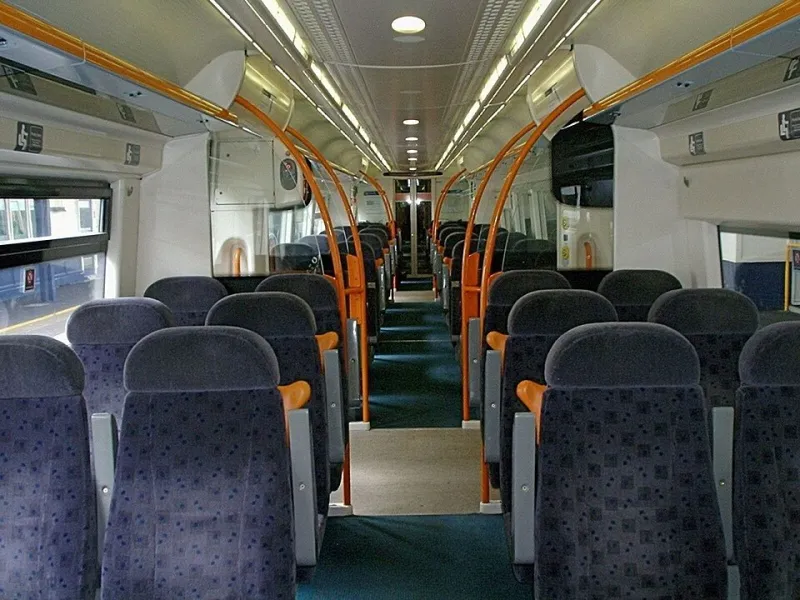
Avoid booking a connection that lands between 10:55 and 11:05. That is the danger zone. A change at 11:02 is not a disaster, but it is not calm either. If you can, choose a train that is already moving at 11am rather than one where you are standing on a platform with a suitcase. A quiet carriage at eleven is easier than a concourse at eleven.
If you are on a train when the silence starts, stay put. You do not need to stand. You do not need to do anything except be quiet. If you are on a platform, stand back from the yellow line and away from the stairs. If you are on an escalator, do not stop abruptly — ride it to the top and pause there. Safety first, silence second.
Rail-accessible memorials worth knowing
You do not need a car to find a civic war memorial in Britain. Plenty sit within a short walk of a station. Beverley is one. Salisbury's memorial is roughly ten minutes from the station, Winchester's about twelve, Lancaster's about ten. Lewes, Shrewsbury and York all have memorials within a reasonable walk of the train, though York's is more of a fifteen-minute stroll and the station itself is busy enough that you may prefer to pause there instead.
Several major stations also have their own railway staff memorials — Paddington and York are the ones I know best — but do not assume they are the focus of a public silence. They are worth seeking out on another day, when you have time to read the names.
If the silence catches you somewhere unexpected
The first thing to do is stop, if it is safe. If you are buying a coffee, step to the side of the queue. If you are walking through a station, move out of the main flow of people and stand still. Take your headphones out. Put your phone away. Do not film it. Do not announce to the room that you are observing the silence. Just observe it.
If you are with children, a quiet word beforehand is better than a shush in the moment. If you are driving, pull over safely if you can; if you cannot, keep your attention on the road. The silence is not a test. It is a pause. You are allowed to do it imperfectly.
And when it ends, carry on. That is the other half of the ritual. The day does not stop for you, and it is not supposed to. You get back on the train, or you finish the walk, or you drink the tea you did not need. The two minutes are enough.
I packed a poppy pin in my coat pocket this morning, not in my bag. It is a small thing, but it meant I did not have to rummage for it at the memorial. If you are travelling on Armistice Day, that is my only real packing tip: put the important thing where you can reach it without thinking. Then set an alarm, leave a buffer, and let the journey do the rest.