The £35 Question: What a Year of Car-Free UK Travel Actually Saved Me
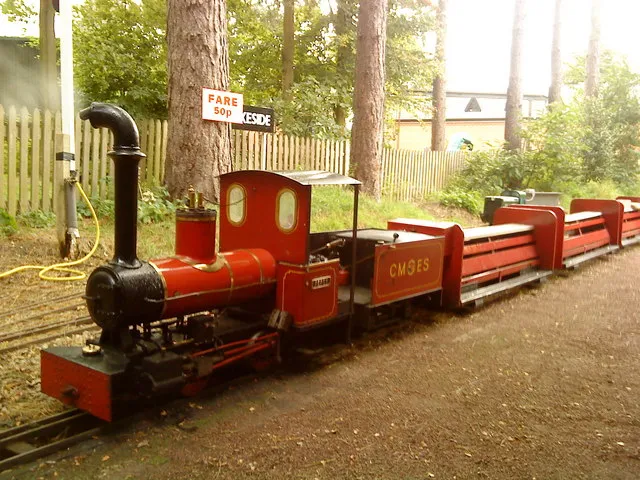
Photo: Andrew Abbott , CC BY-SA 2.0, via Wikimedia Commons
The spreadsheet I didn't want to open
Last November I did the thing sensible travellers are supposed to do: I bought a railcard. Two Together, £35 for a year, one third off most fares for two named adults travelling together. It felt like a grown-up move. Then I spent twelve months forgetting it existed, remembering it at ticket machines, and occasionally whooping at a saving of £2.40.
This autumn I finally opened the spreadsheet. I wanted to know whether the card had actually saved me money, or whether I'd just bought a small plastic rectangle and a feeling of virtue. The answer is: yes, but not nearly as much as the marketing suggests, and not on the trips you'd expect.
The break-even number nobody quotes
A £35 railcard with one-third off means you need to spend £105 on eligible fares before the card pays for itself. That is the simple version. In practice, it's messier. Some railcards have a minimum fare on weekday mornings. The Two Together card, for example, has a £12 minimum on Mondays to Fridays before 10am. If your ticket costs less than that, the discount doesn't apply. If you're travelling solo, the card is useless — it only works when both named adults travel together.
So my real break-even wasn't £105. It was closer to £140, because a handful of my trips were solo, a few were short hops under the minimum fare, and one was a ferry. The ferry did not care about my railcard. The ferry has never cared about my railcard.
Where it paid off
The savings came from long, flexible returns. Not the £8 advance singles that are already cheap, but the £70 off-peak returns that make you wince at the ticket machine.
A return from Birmingham to Penzance in March: £112.40 without the card, £74.90 with it. Saving: £37.50. That single trip paid for the card.
A return from Leeds to Carlisle in May, bought on the day: £48.20 down to £32.10. Saving: £16.10.
Two returns from Bristol to Newcastle for a wet weekend in September: £89 each time, down to £59.30. Saving: £59.40 across both.
Add a few smaller ones — a return to York, an off-peak trip to Manchester, a last-minute run to Shrewsbury — and my gross saving came to £146.20. Subtract the £35 card and I was £111.20 up. Not life-changing. But not nothing, either.
Where it was a false economy
Here is the bit the railcard adverts skip. A railcard is not magic. It is a discount tool with terms and conditions, and some of my trips would have been cheaper without it.
Short hops. A return from Birmingham New Street to Coventry is about £6. The railcard doesn't help because the fare is below the minimum, or because the discount is so small it's lost in rounding. If most of your travel is 20-minute commuter hops, a railcard is a nice idea and a poor investment.
Solo trips. I took four trips on my own this year. The Two Together card sat in my wallet like a small, smug reminder that I was travelling alone. A solo traveller needs a different card — or no card at all.
Advance singles. If you're the kind of person who books a £7.50 single three weeks ahead and never changes it, a railcard will save you about £2.50. Fine. But don't buy the card for that. You'll need a lot of £7.50 singles to reach £105.
Peak weekday travel. The minimum fare and the 10am restriction mean the card is least useful when trains are most expensive. If your trips are Monday morning to Friday evening for work, check the small print before you buy.
Ferries and buses. The summary of my year included the odd ferry. The railcard did not help. Neither did it help on the bus replacement service when the line was closed. Those are not rail fares. Treat them as a separate budget.
The trips that actually moved the needle
If I'm honest, three trips did most of the work: Penzance, Newcastle, and a family visit to the Highlands that involved a flexible return I'd been putting off buying. The rest was incremental. A few pounds here, a tenner there. The card didn't change my travel habits; it just made the long trips slightly less painful.
That's the real lesson. A railcard is not a reason to travel. It's a rebate on travel you were already going to do. If you buy one and then book trips to justify it, you've got the maths backwards.
The 2026 decision checklist
Before you buy or renew, run your last ten rail journeys through these questions.
- How many were with the other named person? If the answer is fewer than three, a Two Together card is probably not for you.
- What did you actually pay? Add up the eligible fares, not the cheapest advance you once saw.
- Were any of those fares under £12 on a weekday morning? Those won't discount.
- Do you buy flexible or off-peak tickets, or are you a strict advance-single person? The card is better value for the former.
- Will you take at least two long trips in the next twelve months? If yes, the card probably pays for itself.
- Are you loyal to one region? A Network Railcard, a ScotRail card, or a local scheme might fit better than a national card.
- Have you checked the minimum fare and time restrictions for your usual commute? This is the bit people miss.
- Could a season ticket, a flexible pass, or simply booking earlier save you more? Sometimes the answer is yes.
What I'll do next year
I'll renew. Not because the card is a lifestyle, but because I already know I have two long trips planned and a third likely. I'll count only the trips I'd take anyway. I'll stop pretending the ferry counts. And I'll keep the spreadsheet, because the only thing more useful than a railcard is knowing whether it's actually working.
If you're on the fence, don't buy the card and hope. Do the boring maths first. The £35 question is worth answering before you get to the ticket machine.